Fake Grass Installation: The Sustainable Remedy for Your Lawn
Installing artificial grass presents a practical option for homeowners seeking a sustainable yard solution. Its durability and minimal upkeep requirements provide significant benefits over conventional grass. As water conservation becomes ever more critical, artificial turf provides an efficient response to environmental concerns. However, the decision to install artificial grass requires various considerations that deserve careful review. What factors should property owners weigh before taking the shift to this eco-friendly choice?
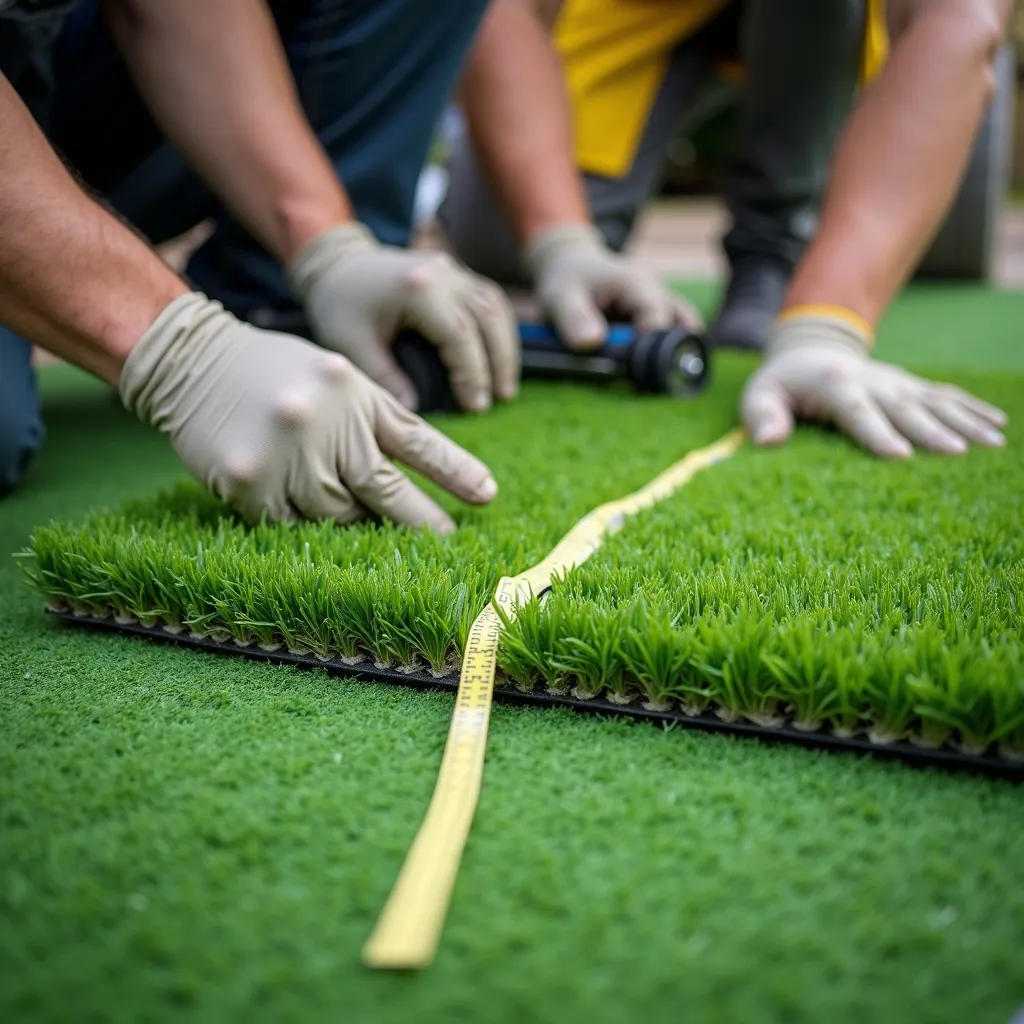
Understanding Synthetic Turf: Key Features and Benefits
Synthetic turf has emerged as a widely-used substitute to natural grass, offering numerous benefits for different applications. One of its key features is durability; synthetic grass can endure heavy foot traffic and extreme weather conditions without degrading. This resilience makes it an perfect choice for sports fields, playgrounds, and residential lawns.
Furthermore, synthetic turf needs minimal upkeep when set against natural grass. There is no requirement for trimming, watering, or applying fertilizer, producing significant time and cost savings for homeowners and facility managers alike.
In addition, artificial grass is planet-friendly, as it conserves water and eliminates the need for harmful pesticides and fertilizers.
Modern advancements have enabled synthetic turf to reproduce the appearance and feel of natural grass, offering aesthetic appeal without the drawbacks. These features collectively make synthetic turf a viable and attractive option for a wide range of uses.
Installing Synthetic Turf: A Comprehensive Guide
When reviewing the benefits of synthetic turf, the next obvious move is comprehending the installation process.
The first stage involves site setup, which includes clearing the area of existing grass, weeds, and debris. Next, a base layer of crushed stone or stone is positioned to ensure proper drainage and durability. Following this, a weed barrier is installed to inhibit unwanted growth.
After establishing the base, the synthetic turf rolls are unfurled and situated, making possible proper alignment. The edges are anchored with stakes or adhesive, assuring a seamless appearance.
After placement, a coating of filler material, such as rubber or sand, is laid uniformly to deliver stability and weight. Finally, the turf is swept to lift the fibers and produce a authentic appearance.
Executing these procedures generates a durable, low-maintenance lawn that boosts both aesthetics and usability.
Why Choose Synthetic Turf? Environmental and Practical Benefits?
Selecting artificial grass offers numerous environmental and practical advantages that render it an appealing option for many homeowners and businesses. One significant advantage is water conservation; artificial turf removes the requirement for routine irrigation, which is particularly beneficial in arid regions.
Furthermore, it reduces the reliance on dangerous pesticides and fertilizers, supporting a healthier ecosystem.
From a functional standpoint, synthetic turf requires minimal maintenance, saving effort and expenses on yard maintenance. It remains flourishing and green throughout the year, offering a steady aesthetic appeal without seasonal fluctuations.
Moreover, synthetic turf is long-lasting, capable of enduring heavy foot traffic and various weather conditions, making it perfect for both residential and commercial applications.
These aspects not only enhance the operational efficiency of outdoor spaces but also reinforce long-term eco-friendliness, showcasing synthetic turf as a desirable preference for environmentally conscious buyers.
Essential Factors for Synthetic Turf Implementation
Numerous factors must be reviewed before proceeding with synthetic turf installation. First, it is vital to determine the intended use of the area. Different types of synthetic turf are designed for distinct activities, such as sports or residential outdoor design.
Second, the local climate should be considered; some materials may resist heat more effectively than others.
Site preparation is another critical aspect, requiring proper drainage and a uniform surface to assure longevity and effectiveness. Additionally, likely regional requirements or community association standards may determine installation choices.
Determining the suitable infill material is necessary for strength and comfort, as it affects both the visual and physical properties of the turf.
Finally, selecting a reputable contractor can significantly affect the quality and durability of the installation. By addressing these considerations, property owners can make informed decisions that best suit their requirements and improve their exterior spaces.
Preserving Your Artificial Turf Lawn in Great Shape
A synthetic turf lawn needs a steady upkeep plan to ensure that its longevity and appearance are preserved.
Regular upkeep includes addressing any damage and applying fix methods as needed.
Follow a dependable cleaning calendar
A regular maintenance plan is essential for preserving the appearance and longevity of synthetic turf lawns. Regular maintenance helps avoid debris buildup, reduces odors, and enhances aesthetic appeal.
Homeowners should strive to clear leaves, twigs, and other organic materials at least once a week, especially during fall. Additionally, rinsing the turf with water each month can help remove dust and allergens, ensuring a fresh look.
In heavily used spaces, more frequent attention may be necessary to maintain the lawn condition. During winter periods, snow and ice should be carefully removed to protect against damage to the strands.
Spotting and Restoration Recommendations
Identifying and addressing issues promptly is crucial for preserving the quality of synthetic turf lawns. Regular examinations should be conducted to detect signs of wear, such as rips, unraveling, or uneven surfaces.
If a problem is detected, immediate action is vital. Minor tears can be rectified with specialized adhesive or turf tape, assuring a secure bond without compromising appearance. For larger issues, professionals may be needed to replace sections of turf.
In addition, preserving the base material intact is important; any shifting can result in further complications. Routine brushing helps keep an smooth finish and can also reveal latent issues.
Expense Evaluation: Synthetic Turf vs. Natural Grass
When considering the costs of artificial grass alternatives to conventional grass, initial installation expenses serve as an important element.
Furthermore, prolonged maintenance costs can markedly shape the overall financial commitment of each option.
A thorough analysis of these factors uncovers important findings for prospective buyers.
Main Setup Charges
Upfront costs are essential in the decision-making process for homeowners and municipalities examining synthetic turf as opposed to natural grass.
Generally, the initial expenses for synthetic turf can vary from $5 to $20 per square foot, depending on quality and installation complexity. In contrast, natural grass installation usually costs between $1 to $2 per square foot.
However, the complete investment in natural grass can grow substantially due to earth preparation, water systems, and regular maintenance requirements.
Homeowners and municipalities must weigh these upfront expenses against the potential long-term benefits of artificial grass, such as decreased water consumption and lower maintenance requirements.
Ultimately, learning these costs enables making smart, sustainable landscaping preferences.
Extended Maintenance Expenses
Long-term maintenance expenses prominently affect the overall cost-effectiveness of synthetic turf compared to natural grass.
Natural grass necessitates perpetual costs, encompassing routine trimming, nutrient treatment, consistent moisture, and pest and disease see now prevention, which can mount rapidly over time. Homeowners may spend hundreds to thousands of dollars per annum to maintain a thriving grass landscape.
In comparison, synthetic turf needs minimal maintenance, primarily occasional brushing and rinsing to remove dirt and particles. Though the early financial commitment in artificial grass might be elevated, the reduced long-term costs establish it as an attractive alternative.
Additionally, artificial grass eliminates water bills associated with irrigation, further enhancing its cost-effectiveness over time.
In the end, the monetary benefits of artificial grass maintenance can lead to significant cost reductions for homeowners over time.
Dispelling Widespread Misconceptions Regarding Synthetic Turf
Although a lot of individuals harbor misconceptions about synthetic turf, grasping the facts can lead to informed decisions. One common myth is that synthetic turf is harmful to the environment; however, many goods are made from recycled materials and are fashioned to be long-lasting, reducing waste.
Another common notion is that synthetic turf demands excessive heat management, but modern installations often include effective cooling technologies that mitigate temperature issues.
In addition, some critics state that artificial grass advances artificial compounds; yet, improvements in materials have considerably diminished the necessity for harmful filler materials.
Finally, the notion that synthetic grass cannot support biodiversity is deceptive; many installations can exist alongside with native plants, offering habitats for local wildlife.
Frequently Asked Questions
What Timeframe Should You Expect Before Synthetic Turf Requires Replacement?
Manufactured turf usually functions between 15 to 25 years before requiring replacement. Components affecting longevity include excellence, care practices, and environmental conditions, which can greatly impact its durability and overall performance over time.
Pets and Synthetic Turf: Is It Safe for Your Treasured Companions?
Pets are able to safely use synthetic turf, as it is engineered to be resilient and safe. Ongoing attention guarantees freshness, making it a practical option for pet owners wanting a simple-to-maintain, fun outdoor space for their animals.
Will Artificial Grass Capture Heat When the Weather is Sunny?
Yes, synthetic grass does absorb warmth in sunny conditions, considerably raising surface temperatures. This can result in distress for both animals and people. Frequent watering or selecting lighter-shade grass can help reduce this heat retention.
What Are the Options for Artificial Grass Hues and Designs?
You can find synthetic turf options with various colorations like bright greens, natural browns, and even customized shades. From realistic replication of natural grass to ornamental designs, types include diverse looks and functional needs.
What Effect Does Synthetic Turf Have on Local Wildlife?
Synthetic grass can interfere with local wildlife by changing habitats and reducing natural nutrition availability. Its inflexibility may discourage certain animals from nesting or foraging, potentially resulting in reduced species diversity in the affected areas.